Customer case study · Food packaging automation
How do you pack 24 SKUs on one automated line?
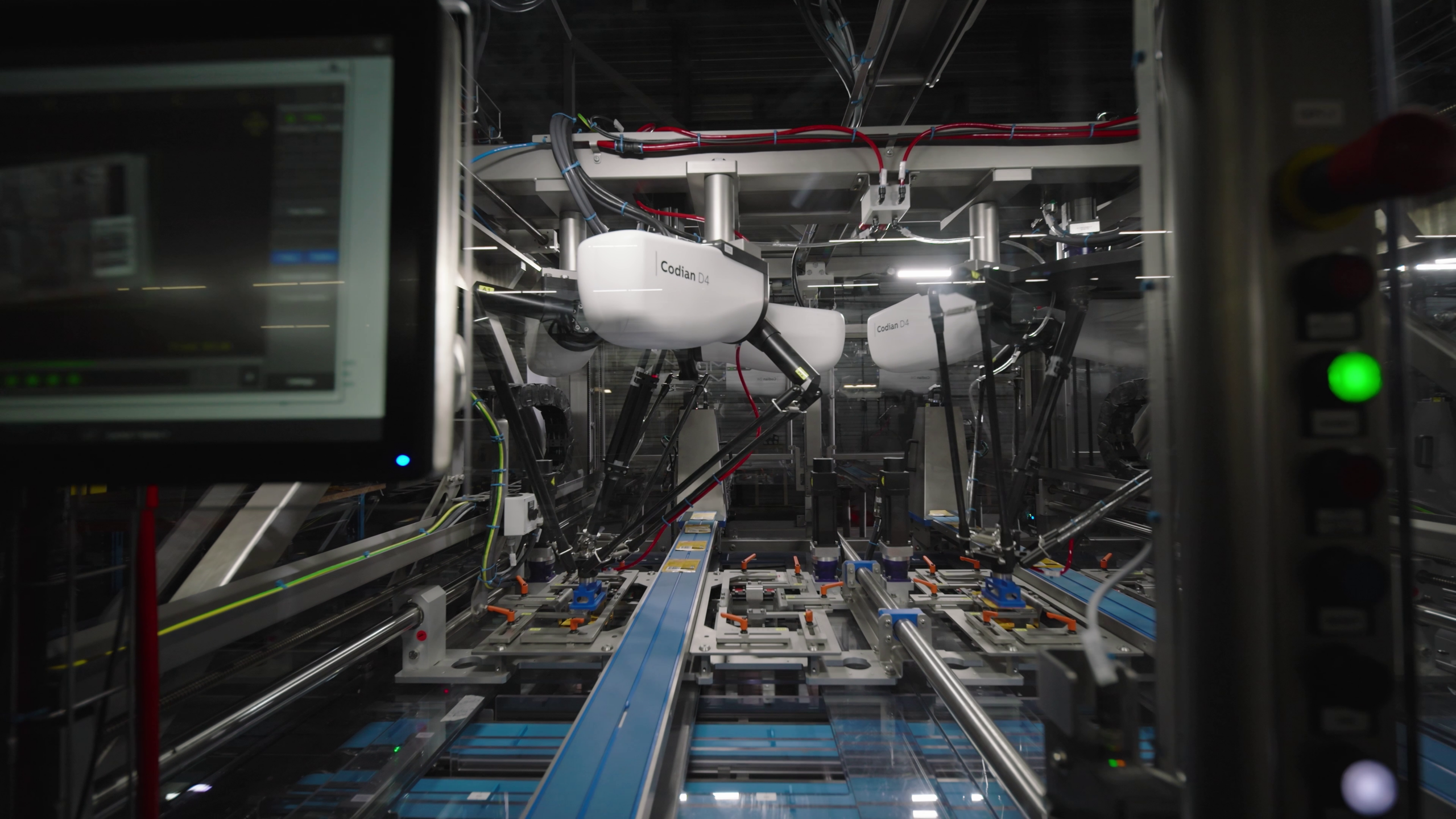
That was the challenge a food producer brought to Mpac Langen. Seasoning sachets of different sizes, multipack combinations and stack formations all needed to be managed within one flexible system, ultimately feeding two cartoners, a case packer and a bulk station.
The answer: an integrated robotic picking solution engineered around the customer’s complete product flow.
The project demonstrates how close collaboration with technology partner Lenze, can accelerate the delivery of complex automation solutions.
The product & solution
More than different flavours
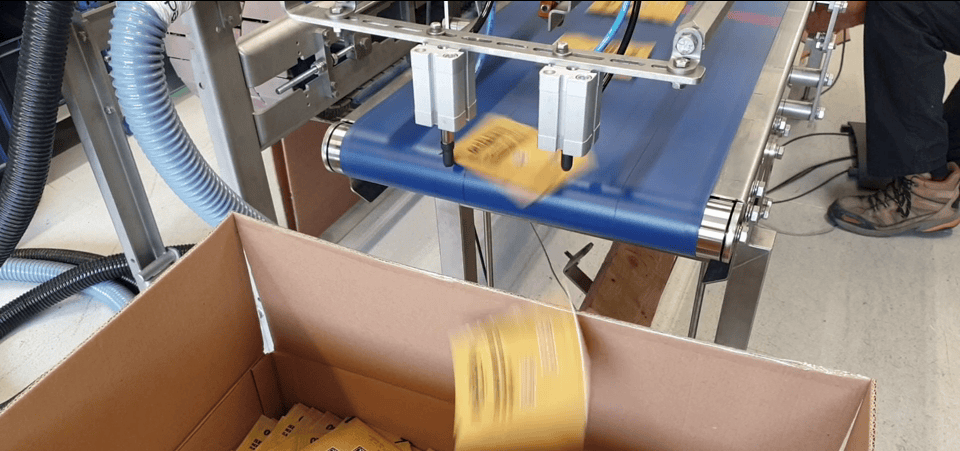
Small and lightweight
Controlled picking for lighter sachet formats.

Larger and heavier
The same architecture accommodates larger pack formats.

Single-flavour multipacks
Accurate grouping of identical product variants.
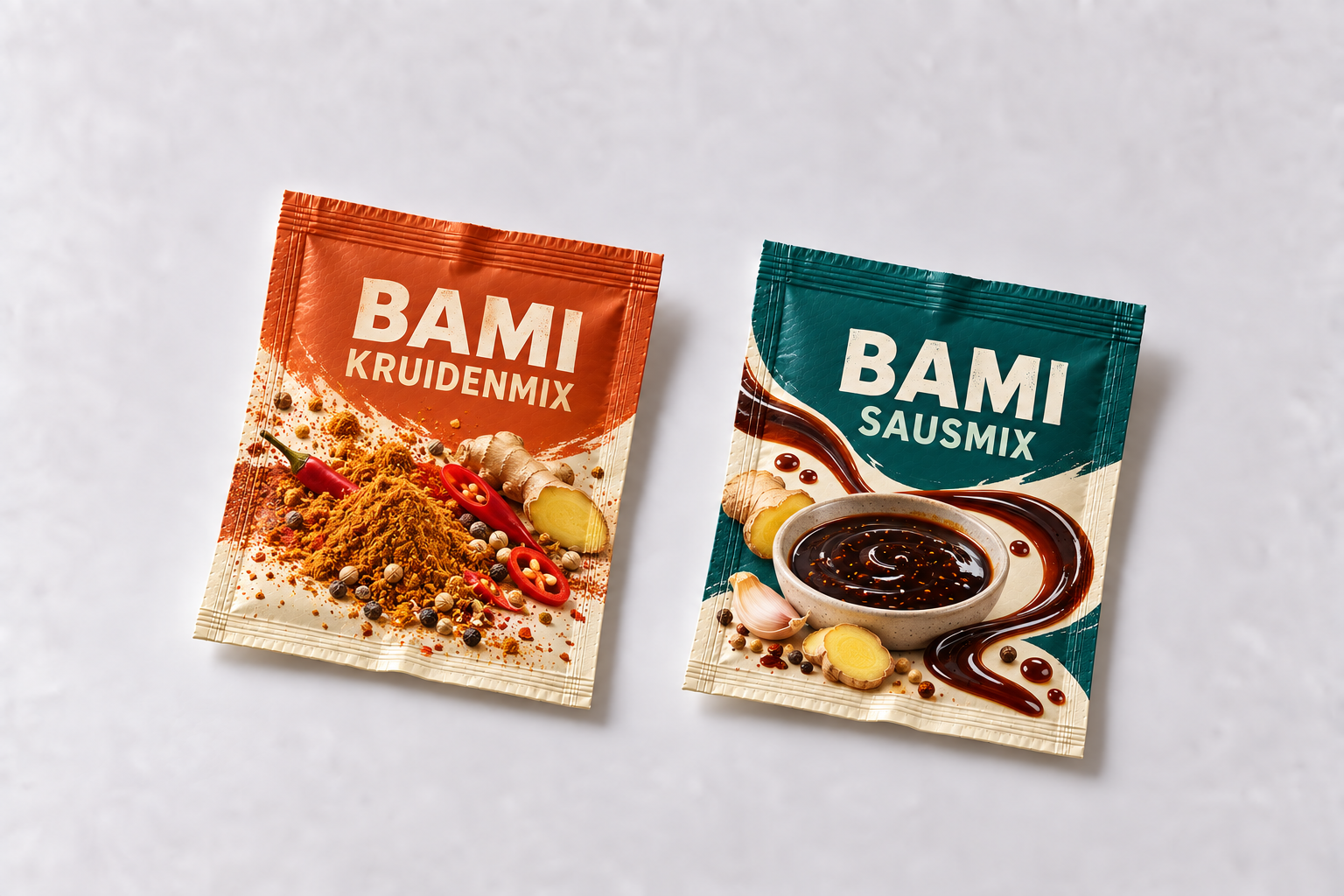
Mixed-flavour multipacks
Different flavours combined in the required sequence.
From one to eight high
Collation patterns range from individual sachets to stacks of eight.
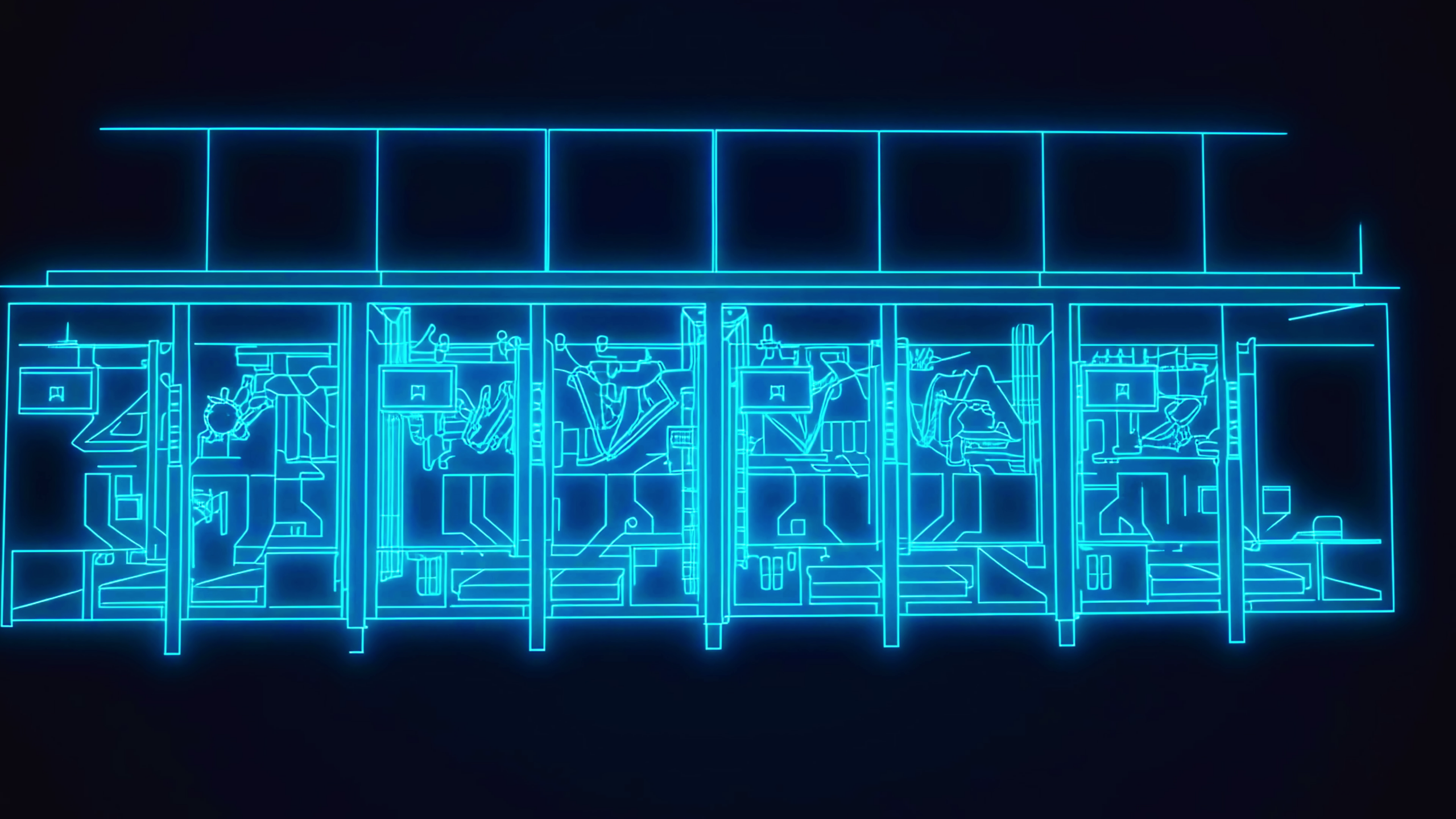
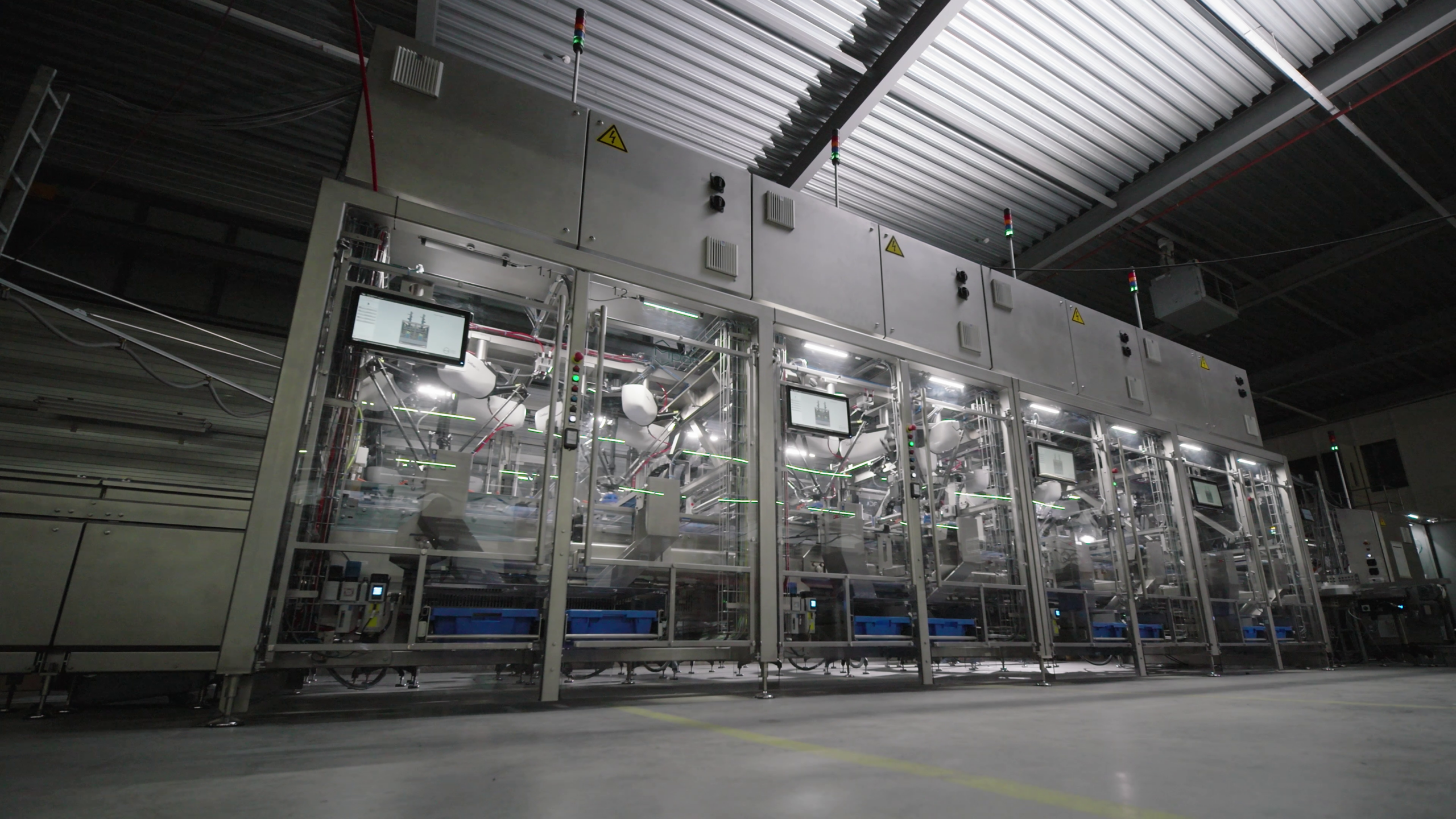
Eight robots. Four packaging routes.
Four independently controlled robot cells place each sachet into the bucket conveyor system. From there, every SKU is directed to one of two cartoners, the case packer or the bulk station.
Flexibility starts before the pick
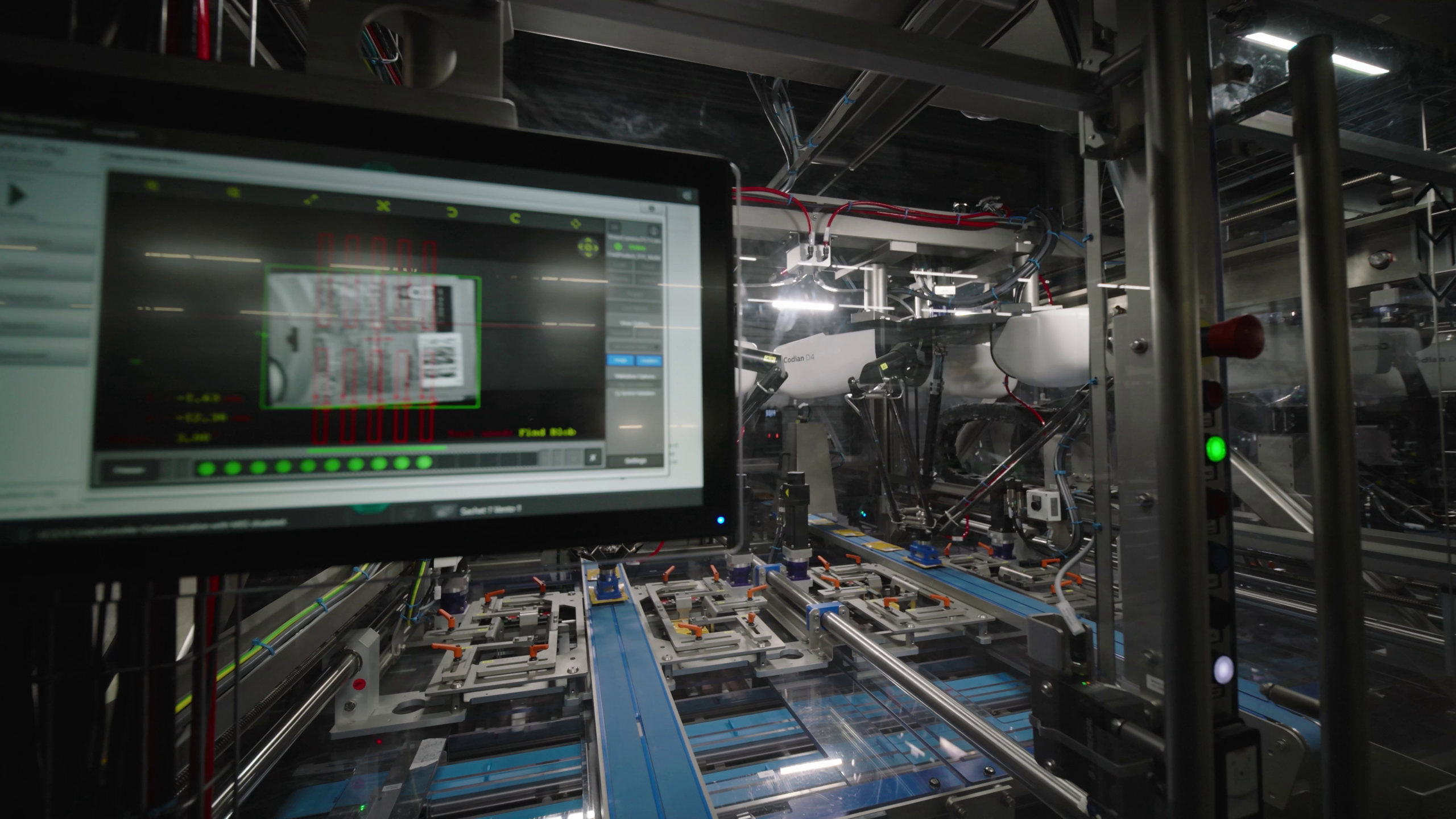
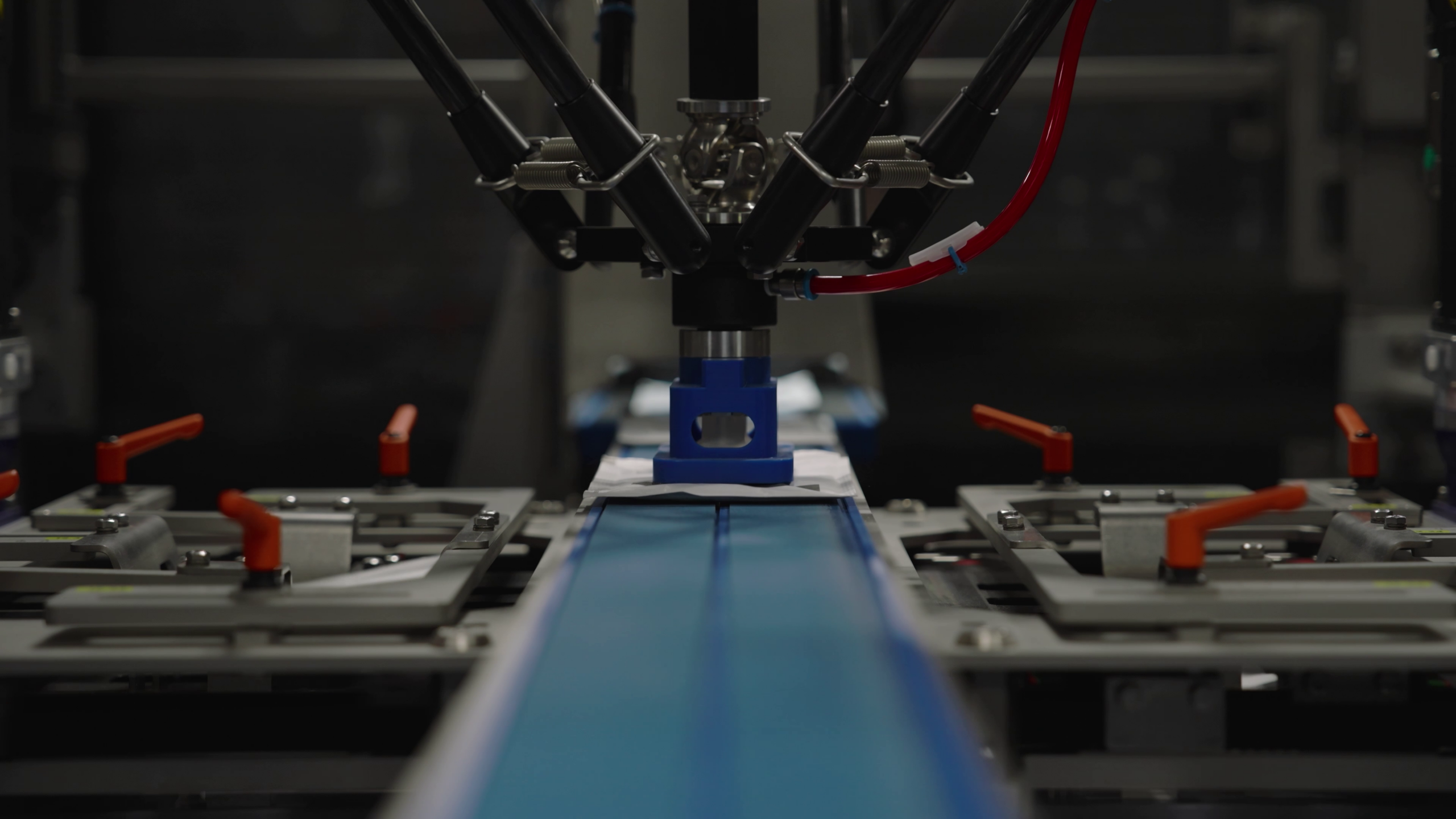
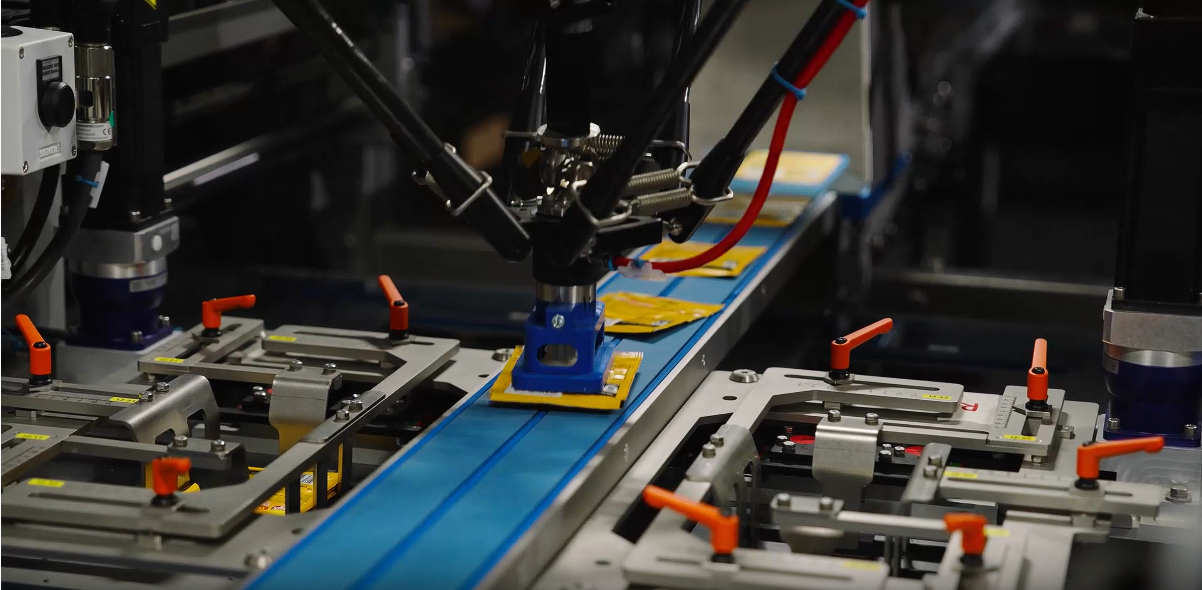
A vision system detects the position and orientation of each sachet.
The robots then adapt every pick to create the correct collation—even when
products arrive unaligned.
01
Vision identifies each sachet
Product position and orientation are detected before the picking movement begins.
02
The robot adjusts the pick
The sachet is picked from its detected position and placed into the required collation pattern.
Design the packaging solution around the customer’s product flow, rather than forcing the products into a predefined machine configuration.
Technology partnership
Developing the architecture together
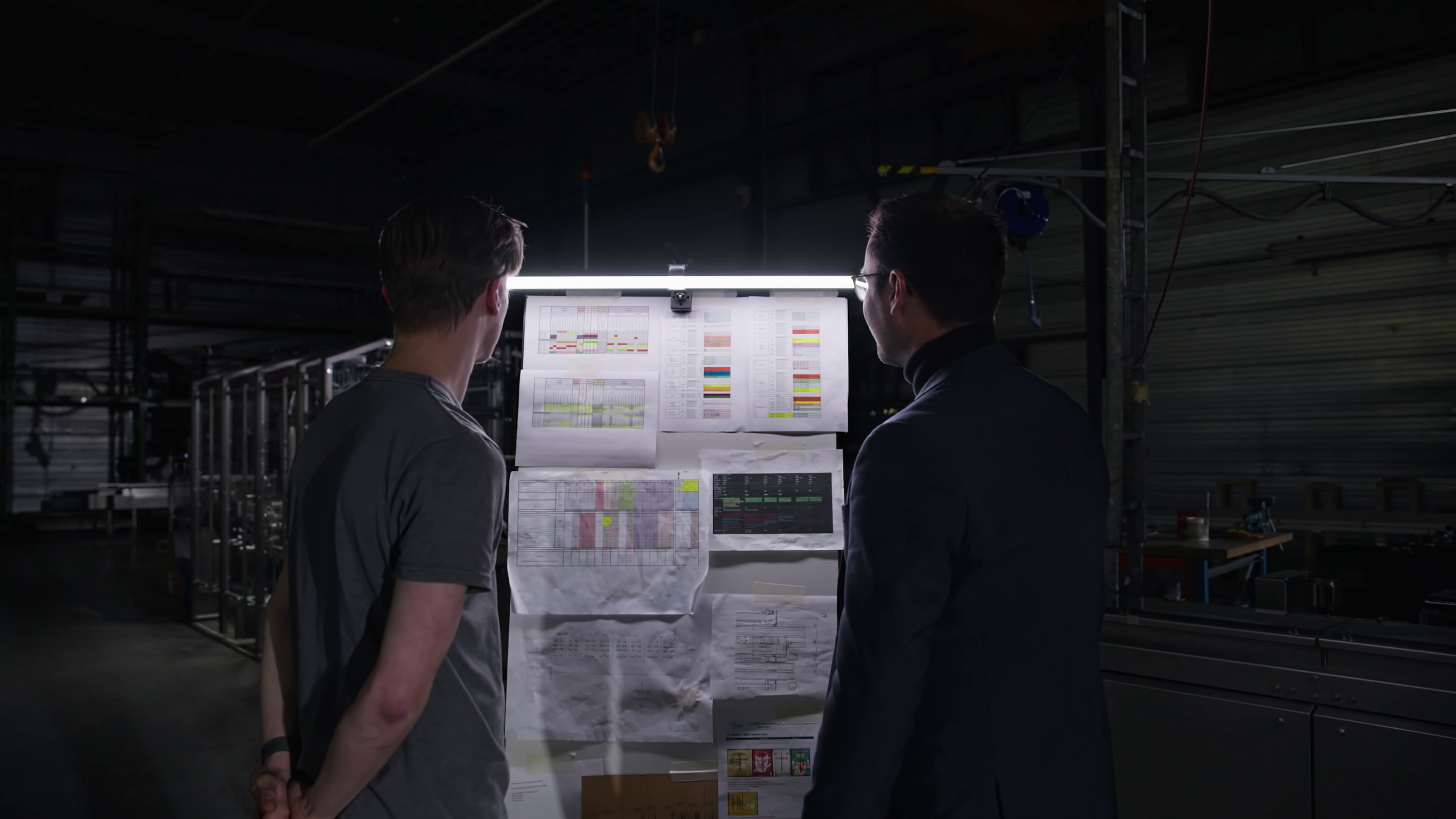
Mpac Langen and Lenze worked together from the earliest engineering phase,
combining Mpac’s packaging and robotic application expertise with Lenze’s
motion-control and digital-twin technology.
By simulating and validating the concept before physical implementation,
the teams could optimise performance earlier and reduce risk during
commissioning. Mpac then developed and integrated its own reusable robotic
software layer, retaining the knowledge and flexibility to adapt future
applications.
Faster commissioning through virtual validation
Digital-twin validation and reusable robotic software increased commissioning
productivity from approximately one robot per week to three or four.
The complete system progressed from initial enquiry to delivery in approximately
18 months.
months
From initial enquiry to delivery
More validation completed before physical start-up.
A proven foundation for future robotic applications.
Mpac can adapt and develop the software in-house.
24 SKUs. Four routes. One integrated solution.
Have a complex packaging challenge?
Our engineers develop robotic handling and secondary packaging solutions around your products, formats and production requirements.
Discuss your application →